Research
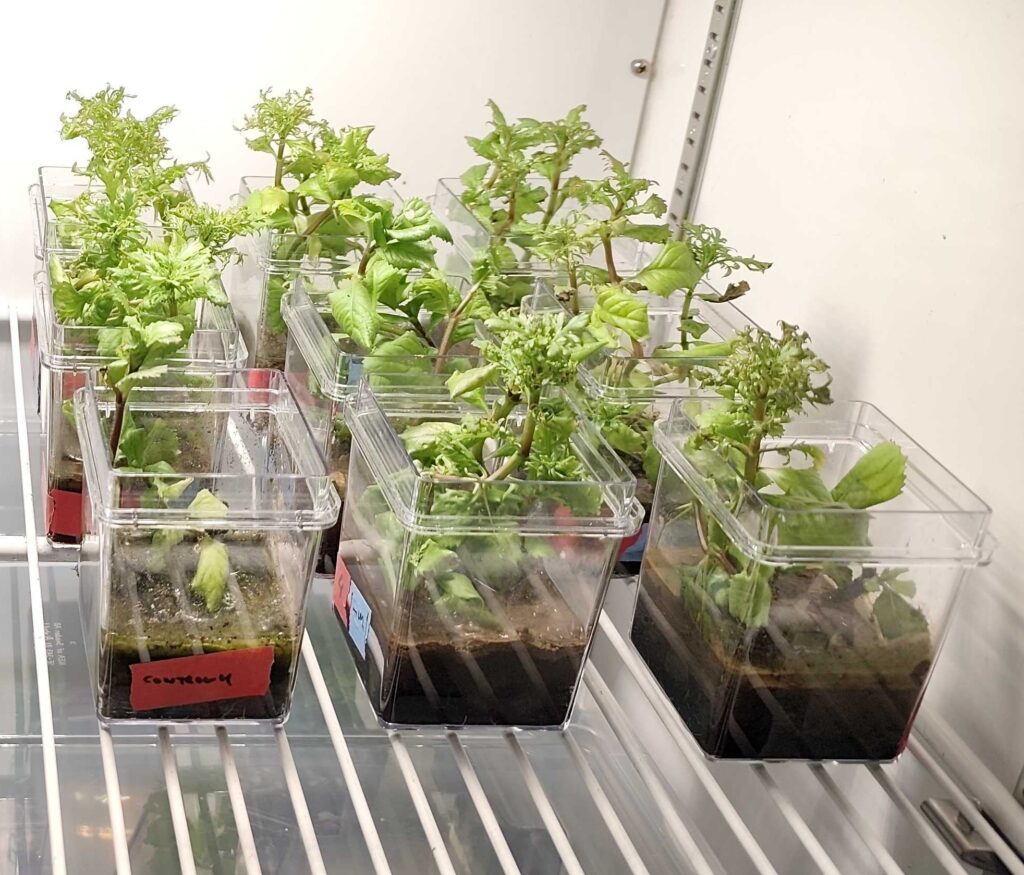
Our research aims to uncover the molecular, genetic, and physiological mechanisms that govern plant plasticity and environmental adaptation.
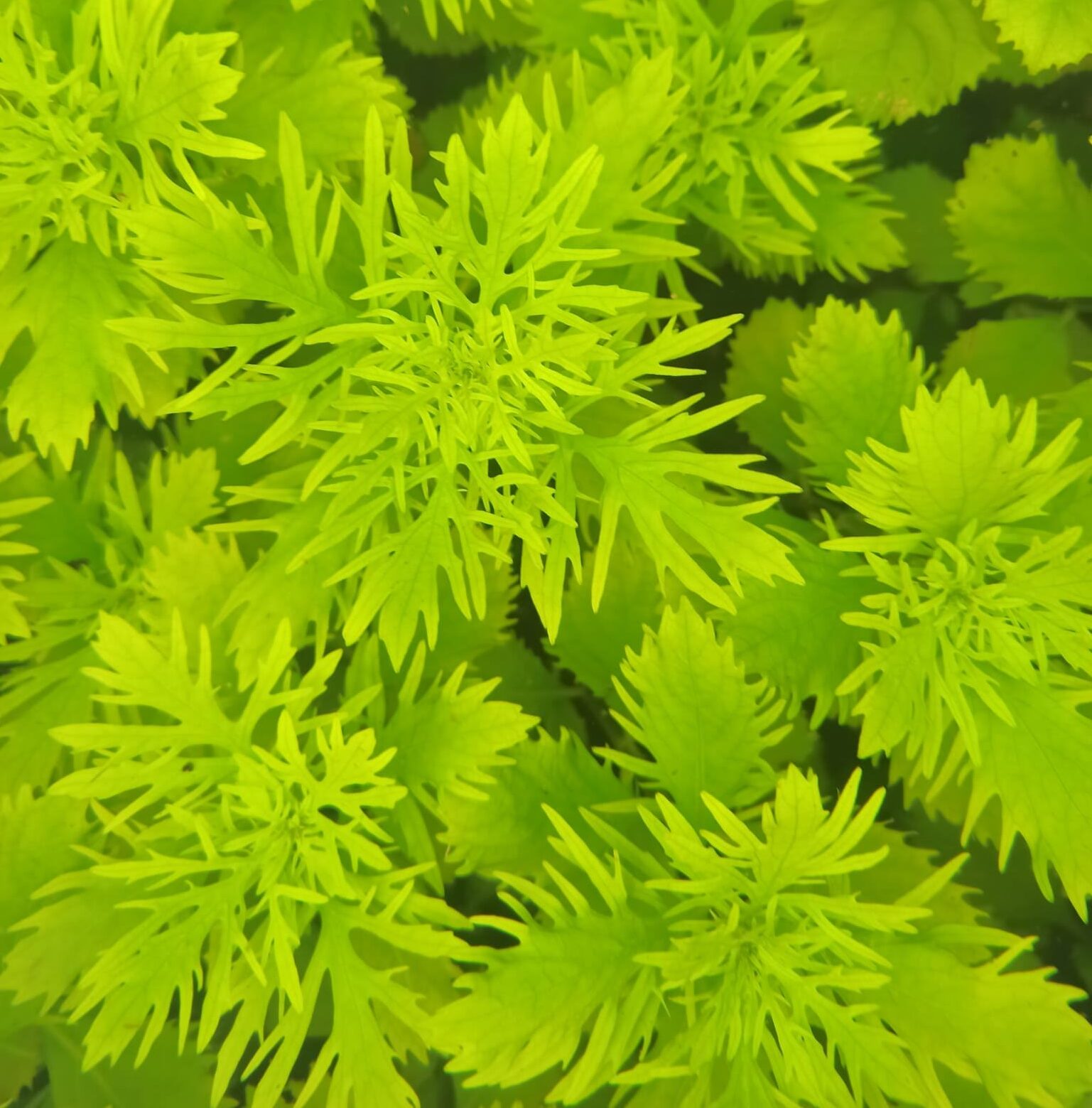
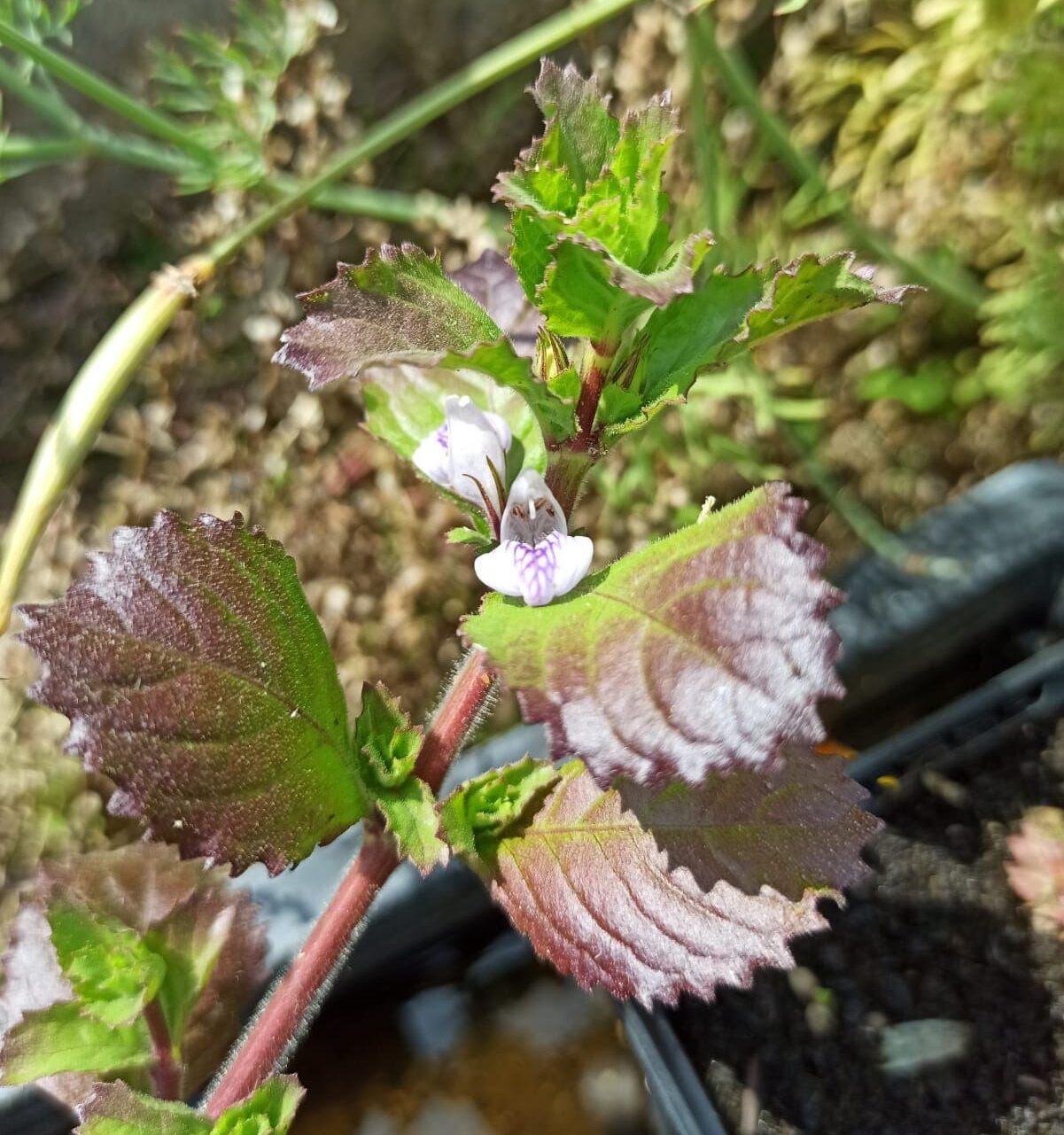
We are particularly interested in heterophylly, an adaptive trait in which plants produce distinct leaf forms in response to environmental cues. Widely found in amphibious plants capable of growing under both terrestrial and submerged conditions, heterophylly has evolved convergently across diverse plant lineages. The mechanisms controlling this phenotypic plasticity and promoting plant survival under extreme environments are under active investigation using the amphibious model plant Hygrophila difformis.
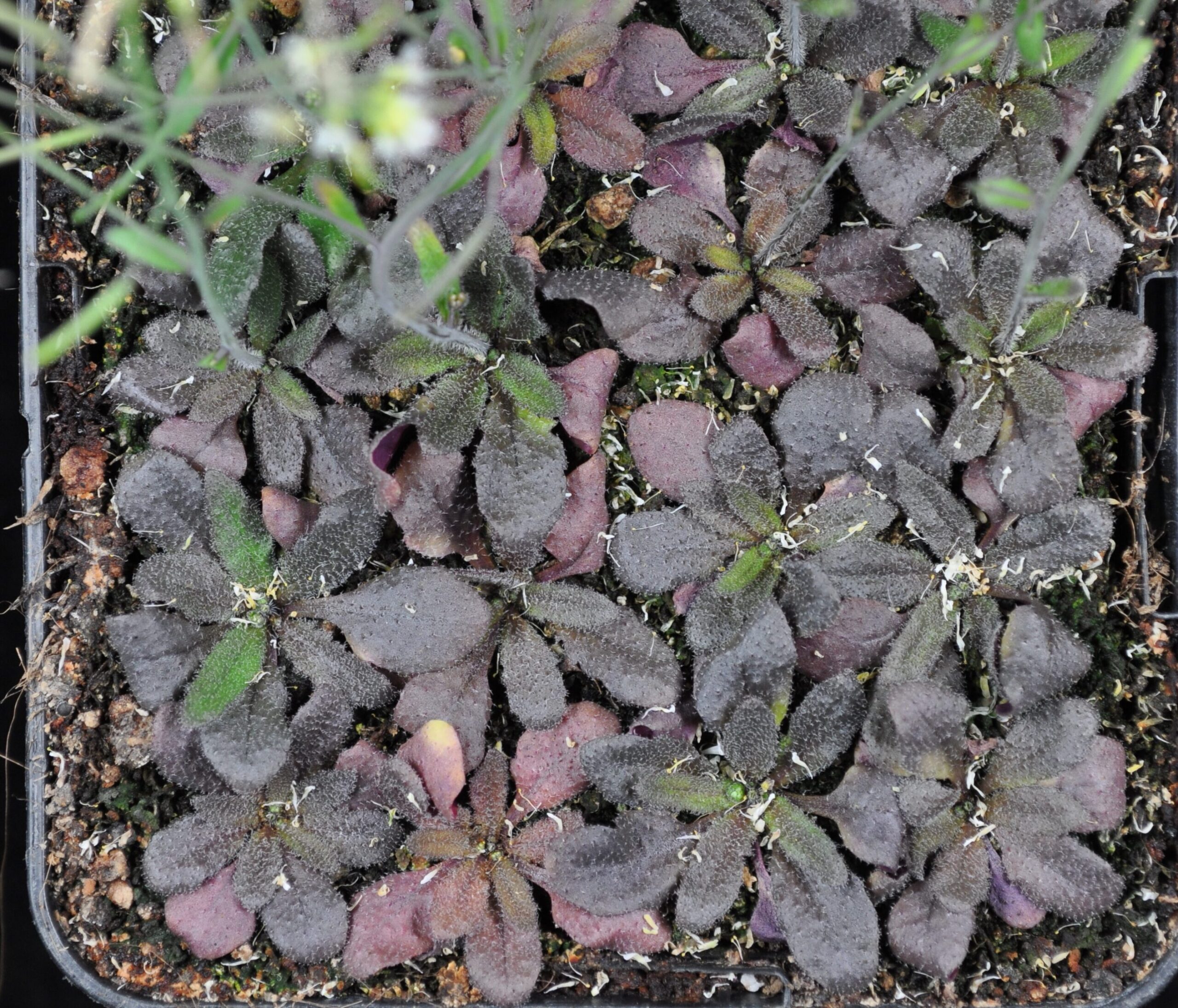
In parallel, we investigate how light signalling influences the timing, coordination, and regulation of heterophylly and environmental adaptation. Complementing these studies, we use Arabidopsis thaliana as a model system to dissect light signalling pathways and determine how photoreceptors regulate protein turnover and degradation.
By uncovering the fundamental mechanisms that enable plants to perceive, respond, and adapt to fluctuating environments, we aim to contribute to the development of climate-resilient crops capable of withstanding the increasing environmental challenges associated with global climate change.
Below are our main ongoing research projects:
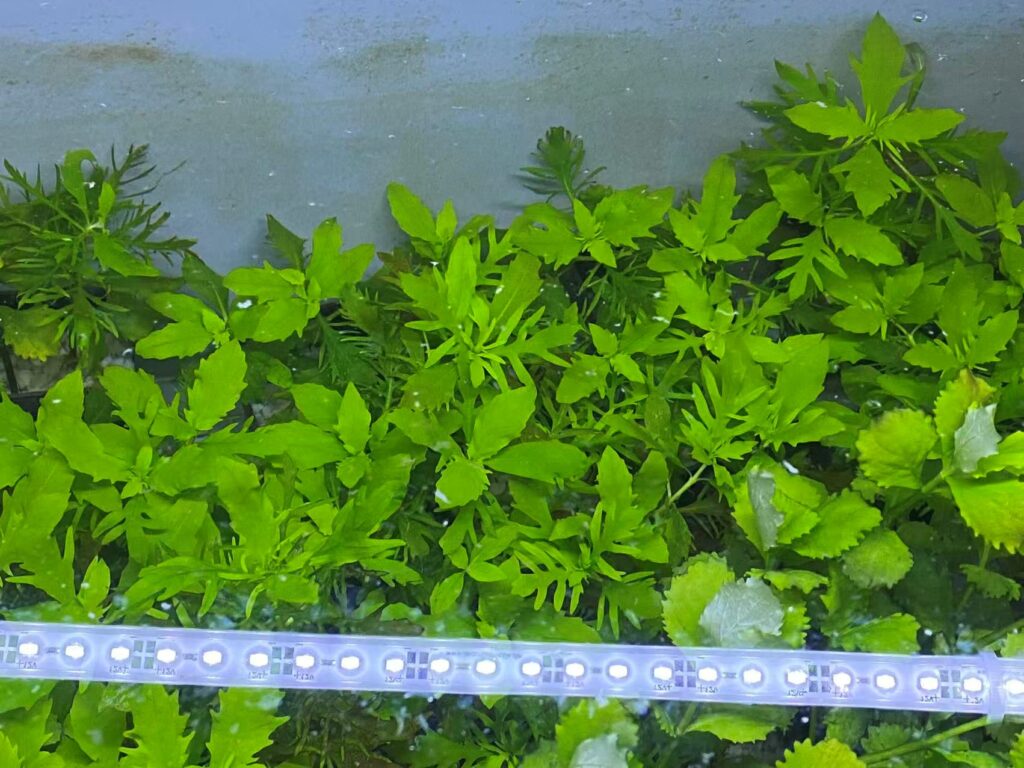
Transcriptional and metabolic control of amphibious adaptation
Using Hygrophila, we investigate the molecular basis of adaptation to alternating submerged and terrestrial environments. Our goal is to elucidate how extrinsic environmental signals are coordinated with intrinsic genetic, developmental, and physiological programs to control phenotypic plasticity and drive heterophyllous leaf development.

Light as a key signal for heterophylly
In this project, we investigate how light quality, quantity, and photoreceptor-mediated signalling regulate leaf shape changes in Hygrophila.
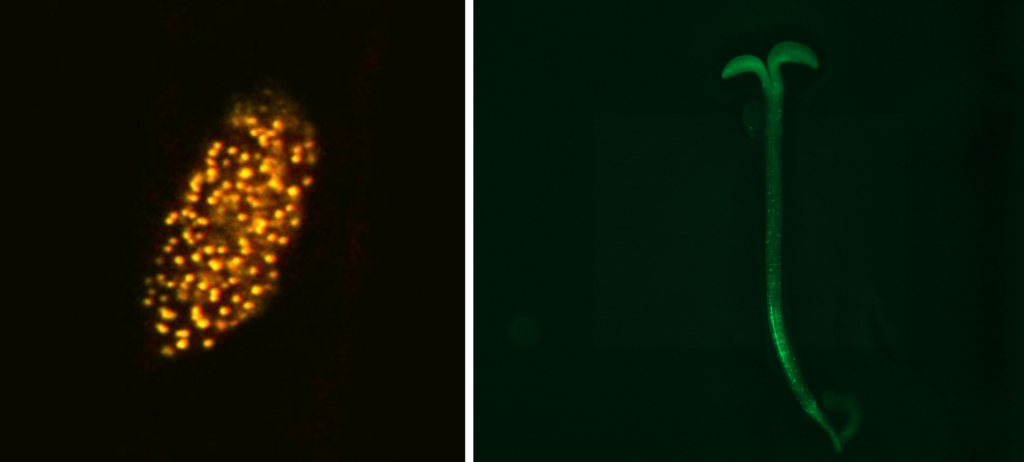
Photoreceptor control of protein turnover
Using Arabidopsis as a model system, we investigate how photoreceptors regulate protein degradation and turnover to control light-responsive developmental processes.
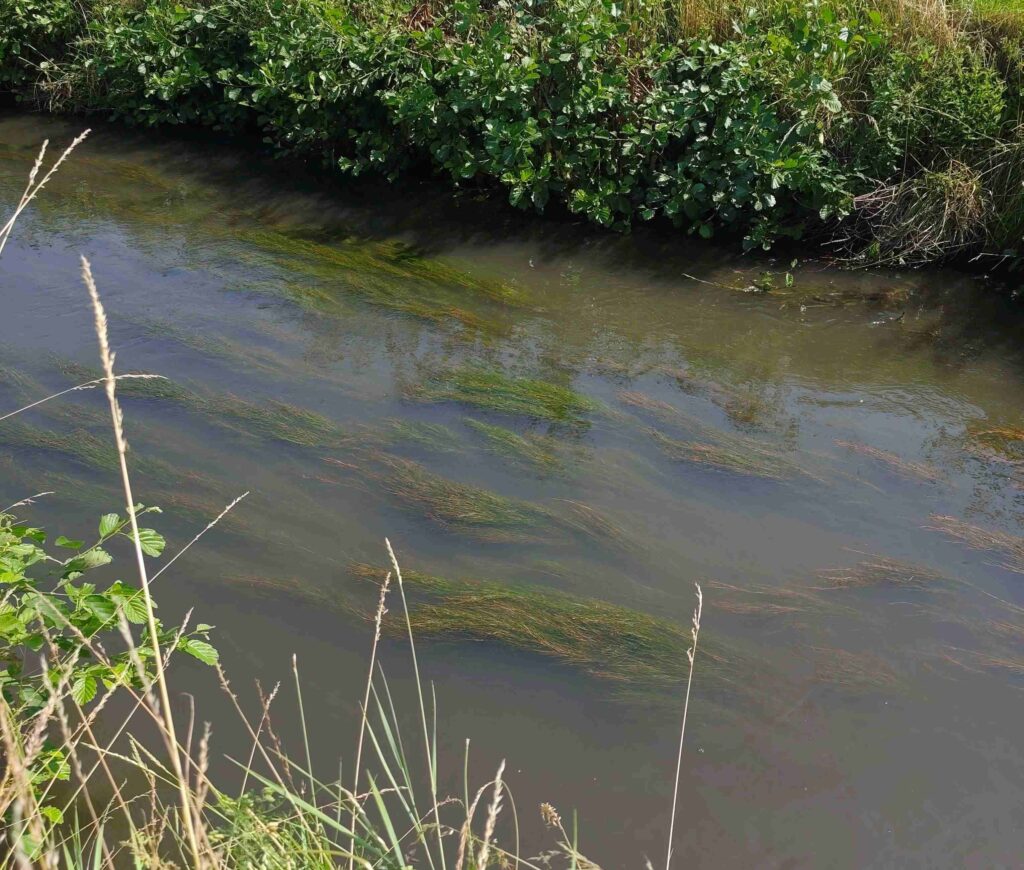
Biotic factors in amphibious adaptation
This ambitious project seeks to elucidate the biotic components that modulate environmental signaling and adaptive responses in Hygrophila.
We are supported by: